Anirban GHOSH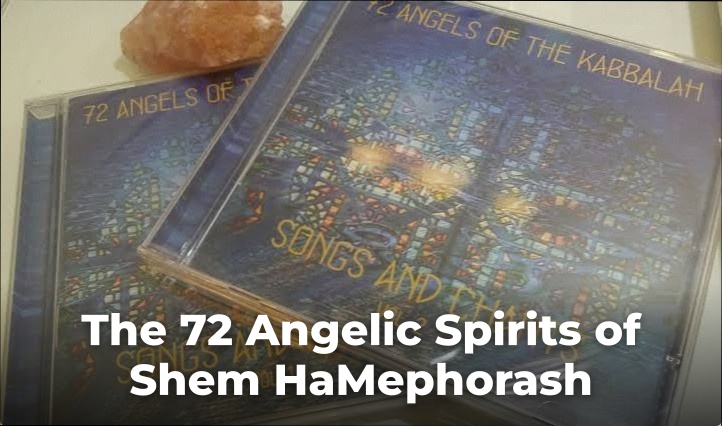
The 72 angels are described in Jewish Kabbalah as seventy-two celestial spirits whose names come from the 72-fold divine name linked to Exodus 14:19 to 21. The tradition says each verse contains exactly 72 letters, and the letters are taken in a set back-and-forth pattern to build seventy-two distinct three-letter names.
In early Kabbalistic and Christian cabalistic writings, these names were treated as real, pronounceable angelic names, not just symbolic words. Johann Reuchlin discussed the angel names in De Arte Cabalistica, and later versions often make them easier to recognize by adding familiar endings like “-El” or “Yah.”
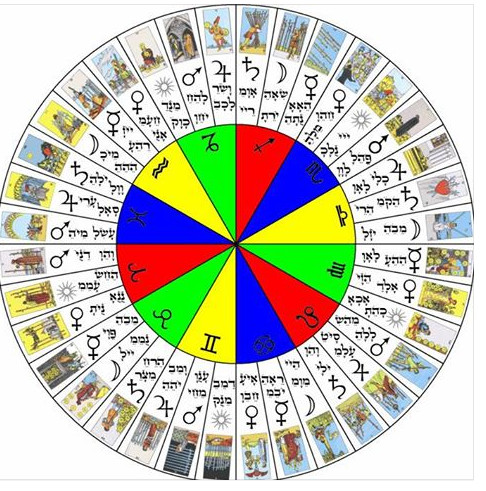
Over time, later occult interpretations connected the 72 angels with other angel and demon systems, including traditions that associate them with the 72 Goetic demons. Some mappings also place each angelic power in relation to parts of the zodiac, so each sign is said to receive influence from multiple angels within the broader spiritual framework.
Why The 72 Angels Feel Confusing at First
People run into the 72 angels through many channels at once, from Kabbalah summaries to occult handbooks. That mix can make the subject feel slippery because different writers emphasize different parts, like spellcraft, angelology, or history.
Even the wording shifts. Some sources treat the angels as literal celestial beings with active roles, while others treat the names as a structured way to meditate on divine unity. When you see the same concept described in multiple styles, it helps to separate the underlying method from the later interpretations.
How The 72 Angels Are Derived From Letter Patterns
In Jewish Kabbalah, the 72 angels are tied to the 72-fold divine name linked to the Exodus passage (Exodus 14:19 to 21). The core idea is that each of the three verses is said to contain exactly 72 letters, then a specific rearrangement pattern is applied to extract material that becomes 72 distinct three-letter forms.
Writers describe the procedure as boustrophedonically patterned, meaning the letter order alternates direction in a structured way. One practical way to think about it is as a repeatable extraction method rather than random chanting.
- Write out the three verses associated with the Exodus passage.
- Confirm the letter counts attributed to each verse in the traditional presentation.
- Apply the boustrophedon style letter rearrangement and take one letter from each verse to form three-letter names.
- Repeat the extraction until you reach a total set of 72 unique names.
From Named Angels to Later Occult Maps
Early Renaissance and Jewish-influenced writers often treat these names as pronounceable angelic forms. Johann Reuchlin, for example, discussed angel-names in a way that made them feel usable in practice, including recognizable name endings such as -El or Yah. That focus on form matters because it explains why you will see the names presented as something you can speak, not just something you can study.
Later occult traditions expand the framework. Some texts connect these angelic figures to angelic hierarchies and even to the 72 Goetic demons they are said to govern, often discussed alongside Solomon-related material. There are also cosmological versions where each angel is assigned influence over a portion of the Zodiac, with groups of angels corresponding to a quinance structure.
If you want a straightforward reference point for the traditional background, see the Kabbalistic name tradition as a starting map before you compare it to later systems.
Practical Ways to Study The 72 Angels Without Getting Lost
The safest approach is to treat the 72 angels as a layered tradition. Separate what is claimed about the original letter-derivation from what later writers add, like Zodiac allocations, demon correspondences, or specific rituals. That separation keeps you from mixing categories and believing every overlay as if it came from the same source.
To keep your research grounded, follow a simple study routine:
- Track which claims are “text-based” versus “interpretation-based” in each source you read.
- Compare name spellings across editions, since transliterations can vary even when the underlying letters are consistent.
- Write down what you can verify, then label what remains speculative before you move on.
One common mistake is chasing certainty from ritual-ready descriptions too early. If your goal is understanding, start with the textual logic and the historical framing, then decide what role, if any, you want later occult applications to play in your own practice.
What Are the 72 Angels?
How Are the 72 Angels Derived from the 72-Fold Divine Name?
The 72 angels are described in Jewish Kabbalah as celestial spirits whose three-letter names are formed from the 72-fold divine name connected to Exodus 14:19 to 21, where each of the three verses is said to contain exactly 72 letters and a letter rearrangement pattern produces 72 distinct names.
How Are the 72 Angels Connected to Jewish Angelology and Later Occult Traditions?
Later writers tied these names to angelology, including Johann Reuchlin in De Arte Cabalistica, and some occult traditions also link the same angels to the 72 Goetic demons they rule over, a connection often discussed alongside texts such as The Lesser Key of Solomon.
The 72 Angels Connect Sacred Texts With Later Angelology
In Jewish Kabbalah, the 72 angels are tied to the 72-fold divine name drawn from Exodus 14:19 to 21, with their names formed from the letters of those verses in a structured pattern. Over time, writers expanded on how these celestial spirits relate to prayer, angelology, and even later occult traditions where they appear alongside rulership over other spirits. If you are exploring the idea, focusing on how the names are built from the text helps explain why the 72 angels remain so compelling across different traditions.