Anirban GHOSH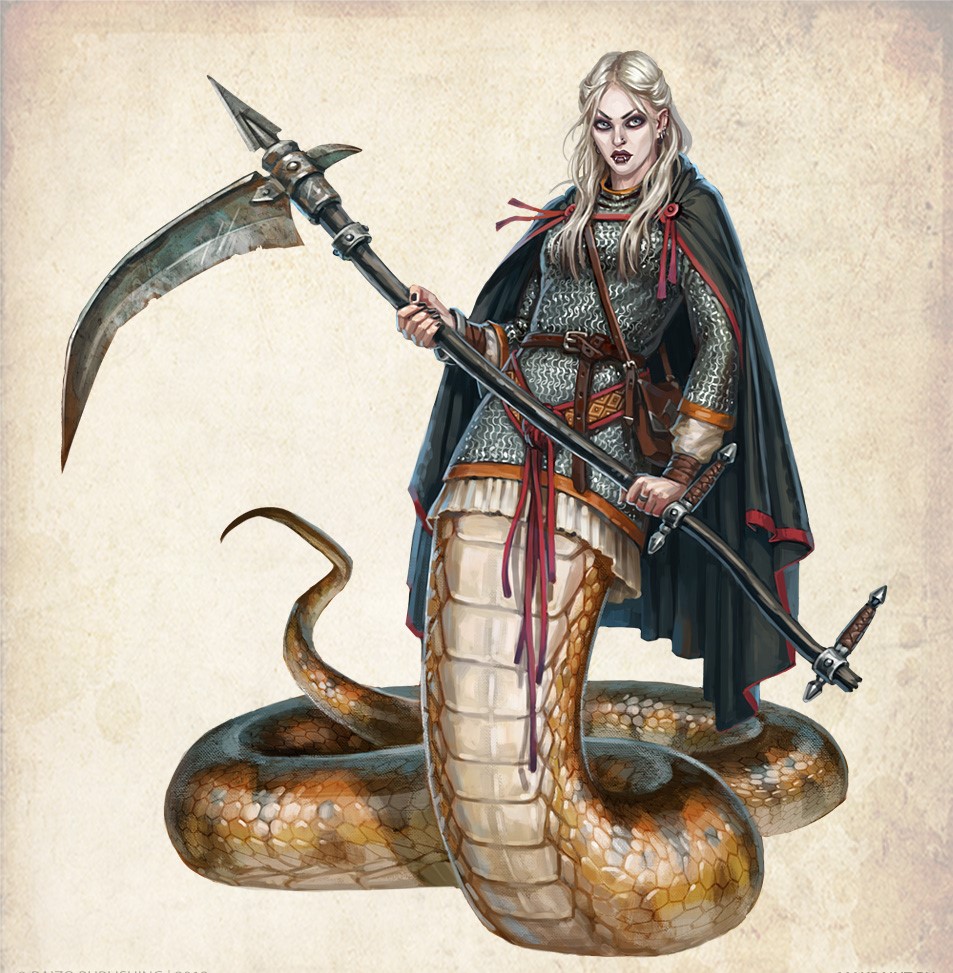
Who Is the Lamia Demon in Folklore?
Lamia the demon usually refers to a frightening creature tied to older myth and later horror retellings. People describe it as a seductive child-eating monster with dangerous instincts, and the details can shift depending on the story and the time period.
In many versions, the Lamia is linked to Greek mythology, where the name appears alongside tales of a predator that haunts and harms others. Over the years, the idea traveled through literature and folk storytelling, so modern depictions may emphasize different traits such as charm, thirst for revenge, or supernatural curses.
This article will help you place the Lamia in context, so you can tell where the original folklore vibe ends and where newer fiction takes over. You will also learn what the name commonly suggests, why it still shows up in popular culture, and how different portrayals connect back to the same central legend.
What Lamia the Demon Means in Myth and Folklore
The phrase lamia the demon often blends two ideas that show up in different traditions. “Lamia” starts as a figure from Greek folklore, while “demon” is the modern label people use when they want the character to feel darker, more frightening, and more supernatural. That mix is why you will see Lamia described as a monster, a spirit, or a supernatural seducer depending on the book, game, or art style.
In older storytelling, Lamias are tied to fear, temptation, and loss. Many versions focus on harm caused through deception, not just brute strength. When writers call her “the demon,” it usually signals an emphasis on predatory intent and supernatural consequences, which makes the character feel immediate to a modern audience.
Common Traits and Why Lamia Characters Feel So Dangerous
Lamia depictions vary, but the most memorable versions share a few recognizable traits. A Lamia is often portrayed as alluring on the surface and threatening underneath, which creates tension in every scene. The danger is not just what she can do, but what she makes others believe before they realize it.
These traits show up again and again across interpretations:
- Seduction as a weapon so the victim lowers their guard
- Predatory intelligence that turns conversation into a trap
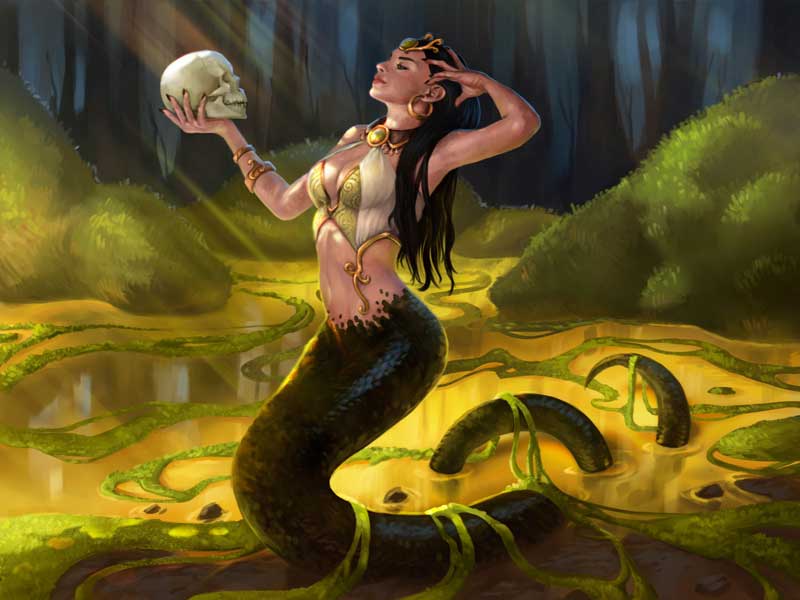
- Monster imagery that hints at transformation or supernatural anatomy
When the story leans into both charm and menace, Lamia stops feeling like a simple “monster” and starts feeling like a problem that spreads through choices.
Where Lamia Legends Show Up in Games, Manga, and Modern Dark Fantasy
You will spot Lamia the demon in plenty of modern settings because she is flexible. She works as a boss character, a cursed ally, a tragic villain, or even a mystery behind missing people. Writers like her because she can occupy multiple story roles without losing her identity.
If you want to track Lamia references in your own reading, try this approach:
- Search for characters labeled Lamia and note how the game or author frames them
- Compare their abilities to common Lamia themes like seduction, illusion, or transformation
- Watch for visual cues such as snake-like motifs, clawed hands, or hybrid forms
That quick comparison helps you see the pattern. Modern creators rarely copy one version exactly, but they borrow the same emotional engine: fascination, dread, and consequences.
Tips for Writing or Roleplaying Lamia the Demon With Better Tone
To write Lamia the demon well, focus on voice and pacing before adding extra gore or power. A Lamia becomes compelling when she feels deliberate, like every line and gesture has intent. If she speaks, keep it controlled and purposeful, so the threat is communicated without rushing.
One common mistake is turning the character into a costume. If the writing only describes her appearance but ignores her motive, she becomes interchangeable with any “dark siren.” Another mistake is making her fear-based rather than character-based, where the story relies on shock instead of believable behavior.
- Plan her goal for each scene so her actions feel consistent
- Use subtle deception first, then reveal the danger when it matters
- Let victims respond realistically, including hesitation and misjudgment
When you treat Lamia as a thinker with a plan, she stays scary without feeling forced. The best versions leave readers with the sense that the real horror is the moment someone chooses to trust her.
What Is Lamia the Demon?
Is Lamia the Demon a Greek Myth Creature or Something Else?
Lamia the demon is rooted in Greek mythology, where Lamia is described as a monstrous figure linked to harming children, and later folklore and horror writing reframe that character as a more overt demon-like threat.
How Is Lamia the Demon Portrayed in Modern Stories?
In modern stories, Lamia the demon is often portrayed as a seductive monster with snake-like traits, blending the original myth themes with new ideas like charm, danger, and supernatural power, depending on the author or medium.
How Lamia The Demon Became A Lasting Dark Figure In Stories
Lamia the demon shows up in folklore as a feared creature tied to temptation and danger, which is why the character keeps reappearing in modern tales. If you enjoy myth and horror, it helps to look at where the stories began and how each retelling changes the mood, the motivations, and the way the legend is remembered.