Anirban GHOSH
A demon is generally understood in modern English as a malevolent or evil spirit, often connected with devils or hell. A daemon (from the ancient Greek daimōn) originally referred to a spiritual intermediary or guiding presence, which could be benevolent or malevolent rather than inherently evil.
In religious or folkloric usage, the key difference is that demon has come to mean an explicitly harmful entity through later Christian reinterpretations. Daemon, by contrast, has roots in an older concept that describes a supernatural presence between divine and human realms.
In contemporary technical English, however, daemon means a computer background process that runs continuously to provide system or network services. So the word can change meaning dramatically depending on whether you are reading mythology or technology.
Why People Confuse Demon and Daemon
The difference between demon and daemon is often missed because the words look almost identical in spelling, and many conversations mix religion, folklore, and modern computing. When people only see the word on a screen, the context that would normally guide meaning is missing.
Common confusion looks like this:
- Demon is an evil or malevolent supernatural entity.
- Daimon(Daemon) an ancient Greek concept referring to a lesser deity, divine power, or guardian spirit that influences a person’s life or destiny
This is why the same character description or sentence can sound wrong to someone who knows the historical and technical backgrounds.
What “Demon” Means in Religious and Folkloric English
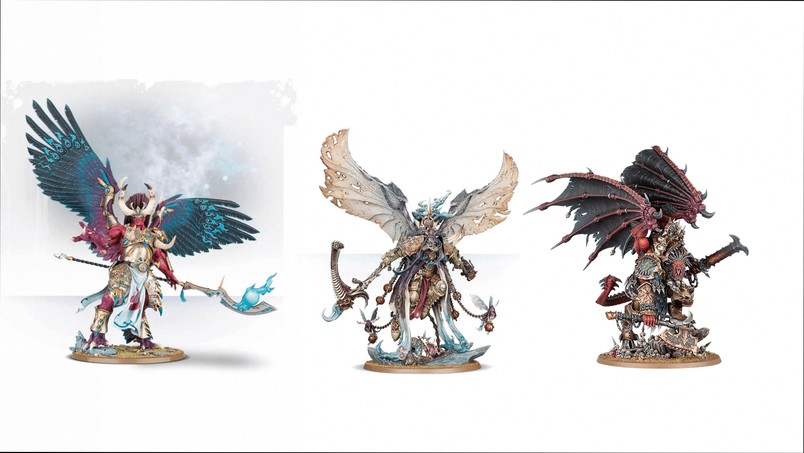
In modern English, demon most commonly signals a malevolent spirit, often grouped with devils or associated with hellish wrongdoing. That meaning comes from later Christian reinterpretations that narrowed older spirit ideas into a more strictly evil category.
Because the modern sense is so strongly negative, writers and speakers usually expect demon to carry a threat. You can see it in everyday phrasing like “possession,” “temptation,” and “evil influence,” even when the speaker is being metaphorical rather than literal.
In other words, when English uses demon, the tone is usually already set as hostile and morally corrupt.
The Greek “Daimon” Roots Behind Daemon
The word behind daemon in its older sense is daimon, from the Greek δαίμων (daimōn). In that original frame, a daimon is more like a spiritual intermediary or guiding presence between divine and human realms.
That older idea was not limited to evil. A daimon could be benevolent, cautioning, inspiring, or harmful, depending on the story and the interpretation. Modern English sometimes blurs this because “daemon” and “demon” get swapped in casual writing, even though the ancient meaning is broader.
Modern dictionaries often track the shift with meaning and usage notes that focus on how later English shaped the demon sense.
How To Use These Words Correctly Today
In contemporary technical English, a daemon is a computer background process that runs continuously to provide system and network services. In that setting, it has nothing to do with spirits, morality, or supernatural imagery.
To get it right, decide based on context first. If you are discussing servers, operating systems, or networking, daemon is the correct choice. If you are describing a threatening spiritual being, demon fits the expected modern meaning.
- Check the surrounding terms like “server,” “service,” “process,” or “runtime” to confirm you are in technical territory.
- Look for religious cues such as “hell,” “possession,” or “temptation” to confirm the modern “demon” meaning.
- If you are referencing ancient philosophy or myth, consider whether the more precise daimon is what the writer actually intends.
- Try not to use demon when you mean the background service, even if the sentence feels dramatic.
- Try not to treat daemon as automatically evil in fantasy settings unless the text explicitly follows that convention.
What Is the Difference Between Demon and Daemon?
What Do “Demon” and “Daemon” Mean in Religious or Folkloric Contexts?
In modern English usage, a demon is typically viewed as a malevolent or evil spirit, often linked to devilish or hell-related ideas, while a daemon (from ancient Greek daimōn, δαίμων) originally referred to a spirit presence or intermediary that could be benevolent or malevolent rather than inherently evil.
How Does “Daemon” Differ From “Demon” in Technical Computer Terms?
In technical English, a daemon is a computer background process that runs continuously to provide system or network services, and it is not a supernatural being—so it differs from a demon both in meaning and in usage.
What Is the Difference Between Demon and Daemon
The difference between demon and daemon comes down to meaning and context. In religious and folkloric usage, a demon is usually treated as a malevolent or evil spirit tied to wrongdoing, while a daemon (from Greek daimon) originally referred to a spiritual presence that could act as a guide and might be benevolent or harmful. In modern tech, daemon simply means a background computer process that keeps services running.