Anirban GHOSH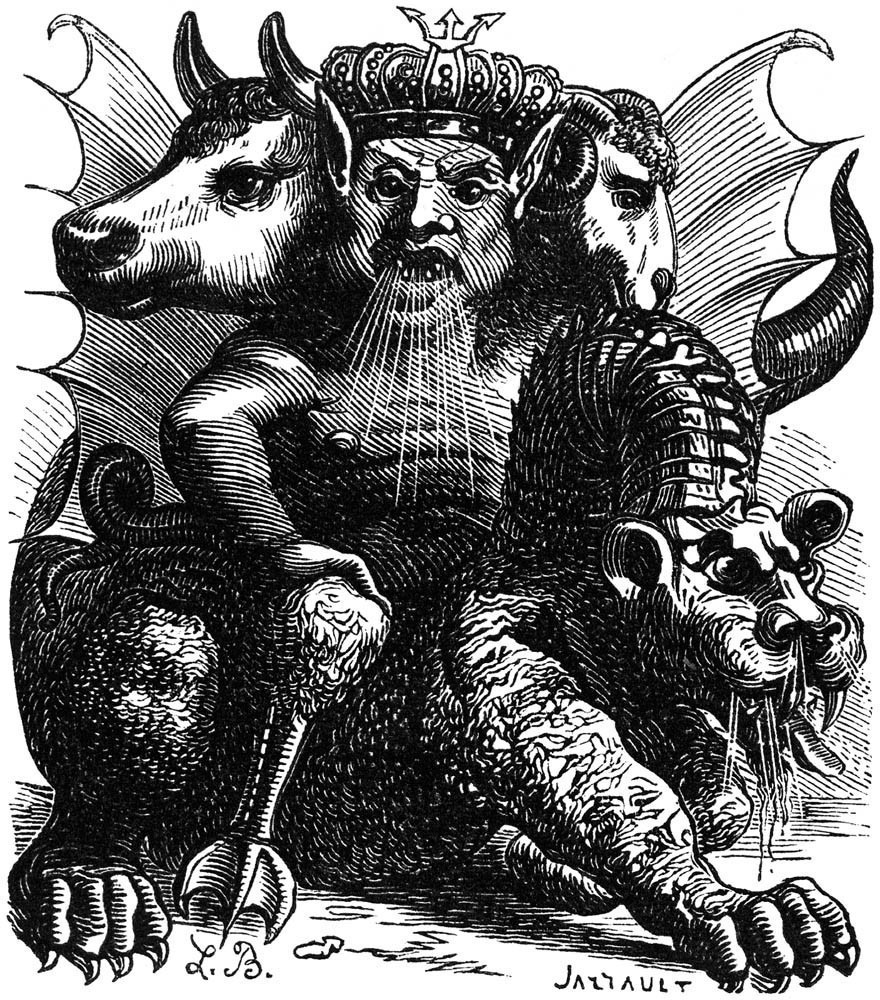
Asmodeus the King of Hell: Uncovering the Legend
A woman sits alone in a dark room. She mourns seven husbands who died on their wedding nights. She fears a demon that steals her joy and takes her life. That demon is a name whispered in terror through history: Asmodeus the King of Hell. Many people know this name from old tales, but few understand the true roots of this powerful figure. He appears in ancient texts, folklore, and modern media as a force of chaos and desire. To know him is to understand how human fears and desires shaped a monster that stays relevant centuries later. This look into his past and his place in culture explains why he holds such a grip on our imagination.
The Ancient Origins of Asmodeus the King of Hell
The name Asmodeus carries a heavy history. Some scholars think the name comes from an old Persian word, aeshma-daeva. This term points to a spirit of wrath or fury in ancient Zoroastrian beliefs. This origin helps us see how he changed over time. He was not always a king of a dark underworld but a personification of raw, destructive emotion.
Early records show his presence in texts that many cultures held sacred. He did not appear out of thin air. Instead, he drew from older tales of wrathful spirits. These spirits could ruin crops, cause sickness, or tear families apart. This history highlights how ancient people tried to make sense of sudden tragedy. They gave a name and a face to the chaos that affected their daily lives.
The Book of Tobit brings this figure into sharp focus for many readers. In this story, the demon plagues a young woman named Sarah. He kills seven men who try to marry her. He shows a cruel, possessive side that keeps her trapped in misery. Finally, the archangel Raphael intervenes. He tells Tobit how to drive the spirit away using the heart and liver of a fish. The creature flees to a desolate place, marking his first major defeat in written history. This tale framed him as a direct enemy of divine order and human happiness.
Asmodeus the King of Hell: Reign and Domain in Infernal Lore
In many systems of belief, the structure of the underworld is complex. Asmodeus occupies a high spot in this dark hierarchy. Many texts call him a King of Demons, a title that gives him power over lesser spirits. He is not just a common nuisance but a ruler with specific duties and a clear place in the infernal court.
Some traditions group him with the seven princes of the pit. Each prince acts as a patron for a specific sin. He is famously linked to lust. This association gives him a wide reach. He does not just tempt people with simple desire. He works to break down connections, destroy families, and twist love into obsession. His domain covers the emotional turmoil that causes people to act against their own best interests.
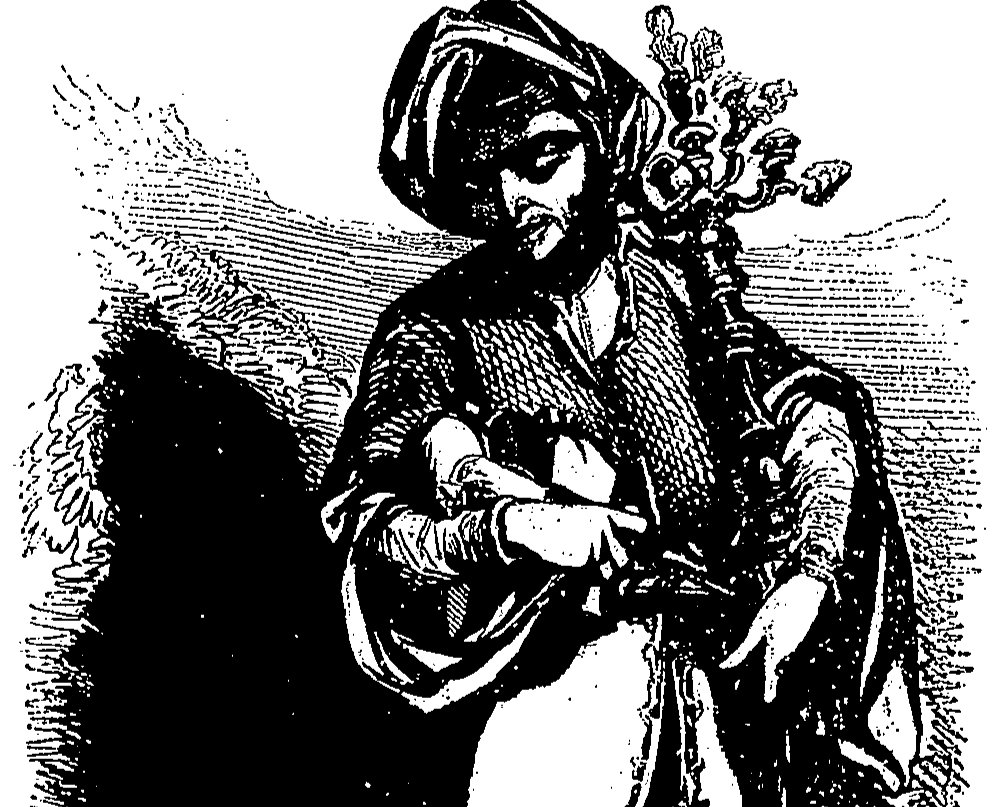
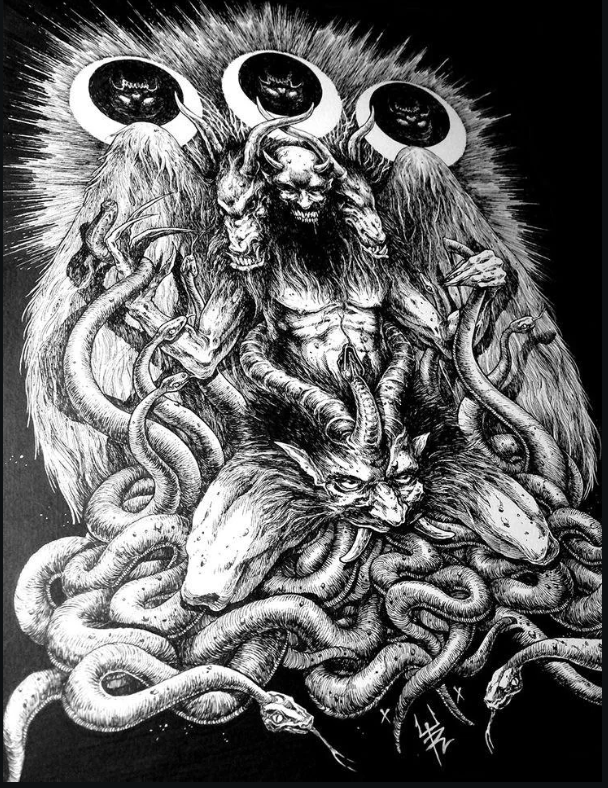
Artists and writers through the ages have given him a striking appearance. These images help people picture the danger he brings. Common traits include:
- Three distinct heads: Often one is a bull, one a man, and one a ram.
- The tail of a serpent or dragon: This signals his deceptive nature.
- Spreading wings: These represent his ability to move quickly and cause trouble.
- A lion’s head: This shows his ferocity and hunger.
These features are not random. They are symbols. The bull might stand for raw power, the man for human temptation, and the ram for stubbornness. Together, they create a portrait of a being that is dangerous, intelligent, and hard to control.
The Seven Deadly Sins and Asmodeus’s Association
Asmodeus is famously tied to the sin of lust. This is not just about physical desire. It is about the way that hunger overrides reason. He encourages the kind of passion that makes people forget their commitments or their values. He is the master of the obsession that leads to ruin.
He wields temptation with great care. He does not often show up with fire and brimstone. Instead, he whispers. He might fuel vanity, making someone feel they deserve things that do not belong to them. He might twist care into control, making someone feel that obsession is the same as love. His goal is to make people lose their way through their own choices.
If you find yourself facing strong, destructive desires, it is helpful to have a plan to stay grounded.
- Take a step back. When you feel a sudden, intense urge, pause. Ask yourself where it comes from.
- Focus on your values. Remind yourself of what you want to build in your life, not just what you want to feel in the moment.
- Seek community. Isolation is his best tool. Talk to someone you trust when you feel the pull of old, bad habits.
- Practice mindfulness. Stay present in your daily life. This helps you notice when you are slipping into a pattern of obsession.
These actions are rooted in common sense. They help you regain your footing. By choosing your path with care, you lessen the impact of any external influence.
Asmodeus the King of Hell in Religious and Occult Traditions
Demonology books like the Lesser Key of Solomon give detailed accounts of this entity. These books were once seen as manuals for those who wanted to contact or control spirits. They list his titles, his sigils, and the rituals that supposedly command him. These writings show how much power people attributed to him.
In Jewish mysticism, the stories take a different turn. Some legends say he had a complicated relationship with King Solomon. He was a trickster, a being of great wisdom and great cruelty. He was not just a simple enemy to be banished. He was a force to be reckoned with, sometimes even assisting in the construction of the Temple. These stories show a more nuanced view of the demon, seeing him as a complex force that can be both useful and destructive.
Modern groups also look at this figure with a different eye. Some people in the occult scene do not see him as a symbol of evil to be feared. Instead, they see him as a source of energy. They might work with the idea of his nature to help them understand their own desires or to find confidence. For them, he is a teacher, not a master.
Asmodeus’s Enduring Presence in Modern Culture
The figure of this king has a strong place in our stories. He appears in books where his presence changes the lives of the characters. He is a character that brings high stakes to any plot. He forces the hero to face their own inner demons.
TV shows and films often use his image to raise the threat level. When he shows up on screen, the audience knows the situation is dire. He is the ultimate tempter. He pushes characters to their breaking point. Whether he takes a human form or stays a hidden force, he represents a test of character.
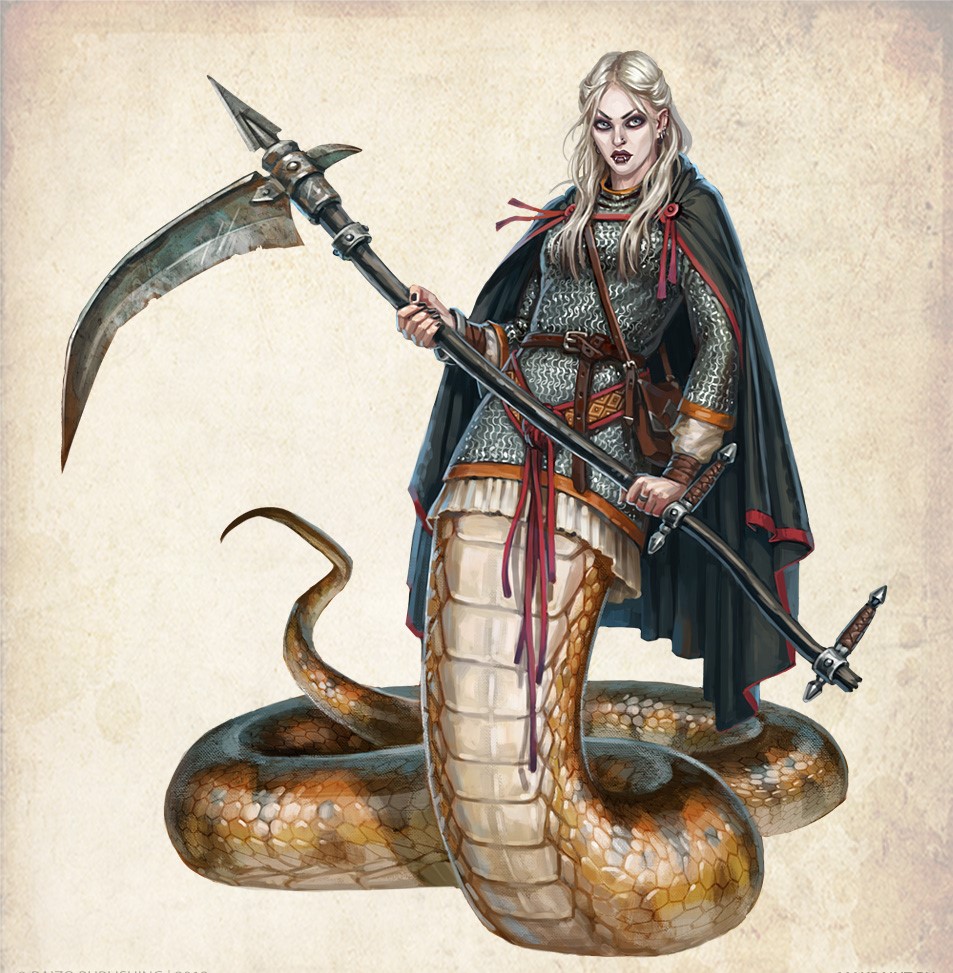
Gaming and role-playing games also make use of his image. In Dungeons & Dragons, for example, he is a central villain who commands vast legions. He is smart, cold, and always planning his next move. Players fear his name because they know it means they face a master of deceit. He works as a perfect antagonist because he tests the morals and the wits of the heroes.
The story of Asmodeus is the story of human nature. We created him to name the dark parts of ourselves. He is the personification of the urges we struggle to control. As long as humans have desires and fears, he will remain a part of our stories. He is a symbol that will not fade, reminding us of the danger and the power found in our own choices. He is, and will likely stay, a king of our own creation.