Anirban GHOSH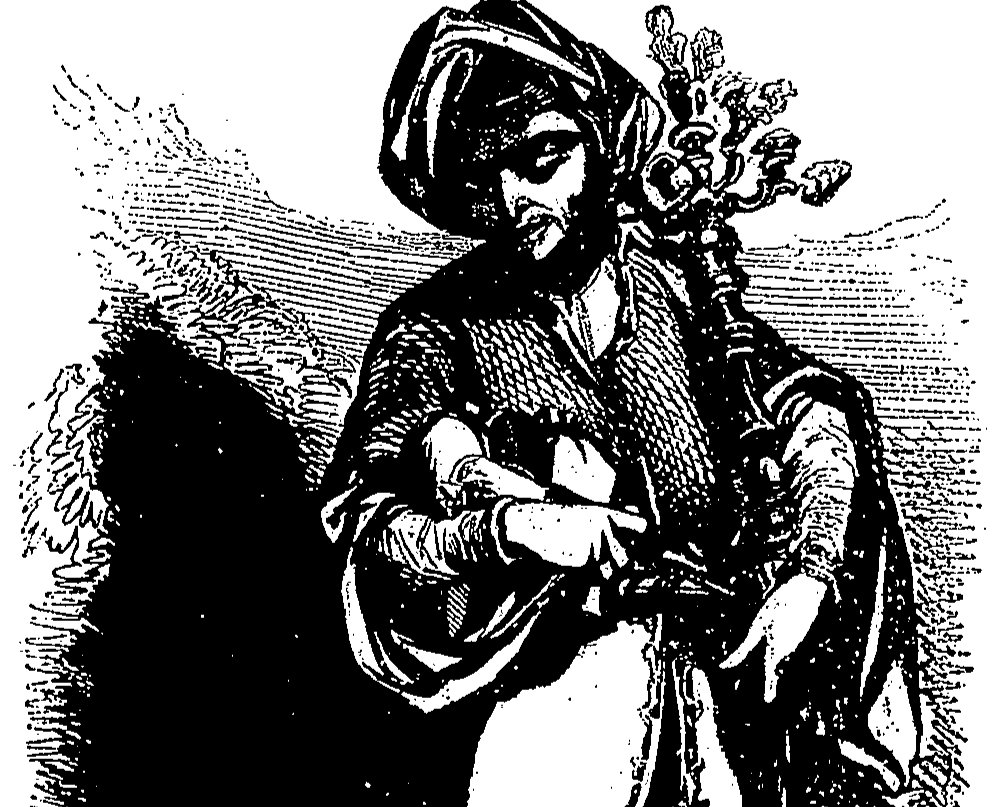
Who Is Clauneck the Demon Really?
Clauneck the Demon is a name people come across in occult and fantasy storytelling, where it refers to a demon-like character rather than a figure with one universally agreed history. The name is usually used to describe a mysterious spirit with a darker, dramatic presence that fits horror and folklore-style narratives.
In most retellings, Clauneck the Demon is portrayed through recognizable demon traits, such as trickery, tempting bargains, and a focus on what someone wants most. That is why the name shows up in discussions about eerie legends, demonology themes, and the way writers turn old superstition into modern characters.
In this article, you will learn how Clauneck the Demon is commonly described, where the idea tends to appear, and how to separate popular fiction from claims that are meant to sound like folklore. You will also get practical context for what people mean when they search for Clauneck and why the story keeps returning in online discussions.
Who Clauneck The Demon Is and Why People Keep Searching
When someone searches for clauneck the demon, they usually want a clear answer: what is Clauneck, where does the legend come from, and why does the name show up in older dark-fantasy stories. The problem is that online results can conflict, with spellings and descriptions that do not match.
That confusion is normal. Many demon names traveled through handwritten sources, oral storytelling, and later retellings. When those layers mix, the details get messy fast, even for people who already know folklore terms.
Where The Name Clauneck Comes From in Folklore and Texts
Clauneck is most often tied to German-speaking folklore traditions and later literary references. In many accounts, Clauneck appears as a supernatural entity associated with temptation and dark bargains, which is a familiar pattern in European folklore.
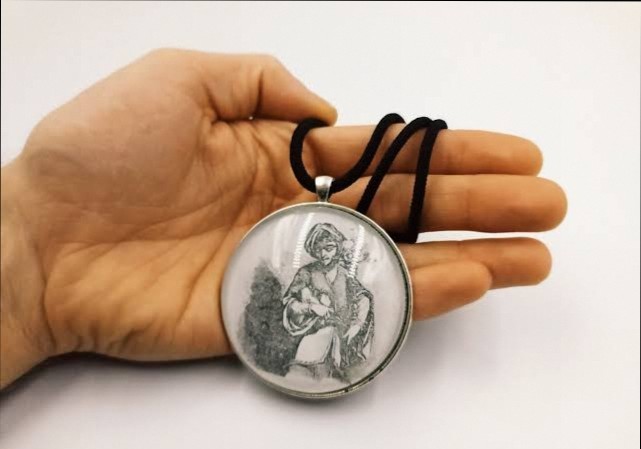
Because the name can appear in different spellings across editions and digitized archives, you will see slightly different versions of the same character. That is why it helps to search by variants and by the type of story, not only by the exact spelling.
- Look for German folklore references and translated editions
- Use alternate spellings when searching archive pages
- Check the publication year of the source before trusting the description
How Clauneck The Demon Is Portrayed in Stories and Modern Media
In story portrayals, clauneck the demon often functions less like a monster of simple violence and more like a figure tied to influence. Writers use that angle to explore fear, desire, and the cost of taking shortcuts.
Some modern retellings lean into the theatrical mood of the character, treating Clauneck as a symbolic presence that tempts people toward secrecy or harm. Other versions focus on a more traditional “folklore warning” tone, where the point is to show consequences rather than to dwell on spectacle.
If you are comparing depictions, pay attention to three things: the setting, the method of contact, and what the victim wants in the first place. Those details usually explain why two retellings feel like different characters.
How to Research Clauneck The Demon Safely and Write About It Responsibly
If you plan to research clauneck the demon for a blog, a short story, or personal study, treat it like historical research, even if the material reads like fantasy. Start with primary or near-primary sources when you can, and confirm claims with at least one additional reference.
Here is a simple way to keep your research organized and your writing grounded.
- Collect source links or book citations first, then summarize what each one actually claims
- Track spelling variants and translation differences in a small note file
- Quote sparingly and paraphrase clearly, then attribute every claim to a source
Common mistakes include repeating a dramatic description without checking its origin, mixing two different entities under one name, and presenting secondhand claims as if they were confirmed folklore. When you are ready to write, aim for clarity and specify what your source says rather than trying to “fill in” missing details.
- Use clear attribution like “In Source X, Clauneck is described as”
- Separate folklore notes from creative interpretation with honest wording
- Verify names, dates, and editions before you publish
Clauneck the Demon: What Is Clauneck the Demon and Where Is the Name Used?
What Is Clauneck the Demon in Folklore or Fiction?
Clauneck the demon is a named demon figure that appears in some regional German-language folklore collections and in later horror fiction, but it is not as widely documented as figures from mainstream historical demonology; depictions vary by source, so the exact traits depend on where you saw the reference.
How Can I Find the Original Source of Clauneck the Demon References?
Check the exact text or media you encountered, then note the author, title, language, and publication date; the name may appear with spelling variations, so searching the closest original wording or quoted phrase usually leads to the earliest referenced work or the setting that defines the demon.
Clauneck The Demon Stories Leave a Lasting Impression
Whether you first heard of clauneck the demon through folklore or modern fiction, the appeal usually comes from the mix of fear, personality, and unanswered questions that keep the story moving. As with any eerie character, it helps to look at the context, follow the clues, and decide what you personally take away from the legend.