Anirban GHOSH
I. Introduction
The exploration of Beleth, the King of Hell, invites a nuanced examination of supernatural authority within various theological frameworks. This essay seeks to unravel the complex character of Beleth as depicted in demonological texts, where his role transcends mere malevolence to embody a multifaceted representation of chaos and temptation. In understanding this figure, it is essential to recognize the broader implications of hell and demonic hierarchies as articulated by scholars who analyze varying perceptions of morality and power. As discussed in previous works, “Theology is about God and Creation, or more precisely perhaps about our ideas of them, how they are formed and somewhat justified” (N/A). Additionally, the influence of cultural narratives surrounding paradisiacal and infernal realms is underscored by scholarly contributions that delve into art and philosophy, offering insights into the eschatological significance of figures like Beleth (K Dévényi et al.).
A. Overview of Beleth as a Figure in Demonology
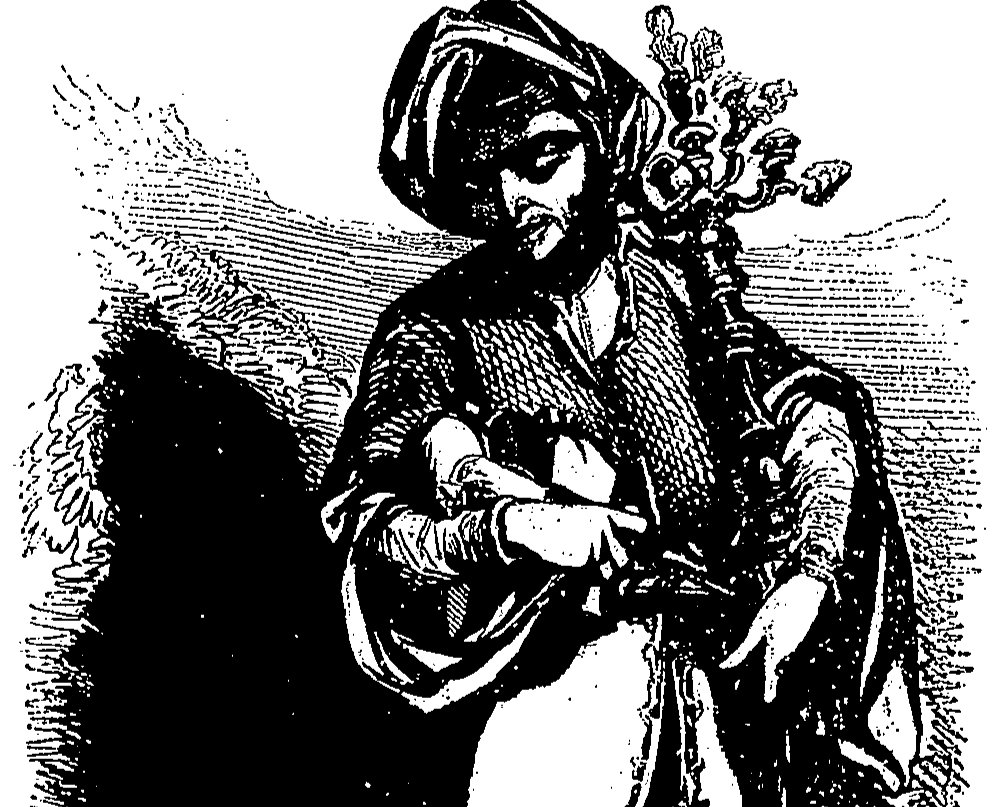
In the intricate tapestry of demonology, Beleth emerges as a prominent figure, often characterized as a king within the infernal hierarchy. His reputation is steeped in both fascination and fear, as he is traditionally depicted as commanding a legion of spirits and possessing the power to instill desires and evoke passion. This portrayal aligns with the broader understanding of Hell, where the demonic entities embody the darker aspects of human experience, particularly desire and rebellion against divine order. The perceptions of Hell itself are evolving, as contemporary interpretations challenge the classical view of eternal torment, emphasizing the experiential nature of hellish existence rather than purely physical realms. Such nuances reflect a growing discourse around the nature of evil and its manifestations in demonology, underscoring Beleth’s significance in these complex narratives (Bufford et al.)(Chopelas P).
II. Historical and Mythological Origins
Beleth, often regarded as a prominent figure within demonology, draws upon a rich tapestry of historical and mythological origins that illuminate his character. Emerging from various texts, including the famed grimoires of the Middle Ages, Beleth embodies traits reminiscent of ancient deities associated with transformation and power. His narrative parallels that of Hades, the Greek god of the underworld, whose complex portrayal illustrates an ambiguous stance toward both authority and rebellion. This connection resonates with the evolution of figures like Satan, who serves as a tragic hero in Milton’s *Paradise Lost*, showcasing a spectrum of defiance against celestial authority (Blaber RM). Interestingly, the cinematic reinventions of mythological figures, including Hades, echo these lasting themes, demonstrating how ancient concepts persist through modern interpretations (Gordon et al.).
A. Early Texts and Cultural Interpretations of Beleth
The exploration of Beleth, a significant figure in demonology, is enriched by early texts that reflect varied cultural interpretations of hell and moral theology. Beleth’s characterization not only emerges from medieval demonological writings but also intertwines with broader philosophical debates regarding the nature of divine justice and punishment. For instance, the distinction between eternal torment and a more restorative view of the afterlife can be traced back to early theological discussions, such as those presented by Gregory of Nyssa, who intersects notions of epektasis and apokatastasis with the concept of hell (McCullough et al.). Furthermore, as contemporary analysis suggests, the conventional image of hell as a space of perpetual suffering strays from early Christian doctrine, which frames hell more as an experiential condition rather than a definitive place (Chopelas P). These interpretations highlight the evolving understanding of Beleth within the context of the theological landscape.
III. Characteristics and Influence in Occult Practices
Within the realm of occult practices, the characteristics and influence of figures such as Beleth, the King of Hell, illustrate the intricate relationship between historical beliefs and contemporary manifestations of spirituality. As discussions around demonization and spiritual warfare have unfolded, particularly within religious circles like the Seventh-day Adventist Church, it is evident that engagement with the occult plays a significant role in shaping perceptions of evil and the supernatural (Bauer B et al.). Beleth exemplifies the appeal of such practices, embodying the tension between power and subjugation that often characterizes demonic entities. This complex interplay is further enriched by theological debates, such as those presented by Gregory of Nyssa, who explores concepts of epektasis and apokatastasis, raising profound questions about the ultimate fate of all beings (McCullough et al.). As these ideas permeate societal understanding, they influence not only personal belief systems but also broader cultural narratives surrounding the occult.
A. Beleth’s Role and Symbolism in Rituals and Demonology
Beleth, as a significant figure within demonology, epitomizes the complex interplay between power and protection in ritual practices. Often summoned for assistance in matters of love and desire, his presence in enchantments highlights the dual nature of his symbolism; he serves both as a monarch of the infernal hierarchy and a guardian spirit capable of offering insight into the human condition. The invocation of Beleth in rituals showcases an understanding of demons not merely as malevolent entities but as forces embodying essential aspects of existence, reminiscent of the guardian demons depicted in Greco-Roman Egypt, which transformed earlier Pharaonic concepts of protection into a nuanced understanding of the supernatural. Furthermore, this aligns with Gregory of Nyssa’s exploration of epektasis, where the interplay between desire and divine connection underscores the ritualistic significance of Beleth in seeking higher truths and personal transformation (McCullough et al.)(Lucarelli R).
IV. Conclusion
In summarizing the complexities inherent in the character of Beleth, King of Hell, it becomes evident that interpretations of hell itself reflect broader theological dilemmas. Beleth embodies the persistent struggle between justice and mercy, a theme that pervades both scriptural interpretations and contemporary theological debates. In examining texts such as those by Gregory of Nyssa, who intriguingly juxtaposes epektasis with apokatastasis, one can appreciate how these concepts inform the understanding of divine judgment and reconciliation (McCullough et al.). Furthermore, the views presented by theologians like David Bentley Hart highlight the tensions between traditional eternal damnation and universal salvation, challenging readers to reconsider their beliefs about a just God alongside the realities faced by the faithful in suffering (Robert W Yarbrough). Thus, the discourse surrounding Beleth ultimately invites a critical reassessment of our understanding of hell, justice, and the divine nature.
A. Summary of Beleth’s Significance and Legacy in Modern Culture
Beleth’s significance and legacy in modern culture can be observed through the evolving interpretations of hell and its thematic resonance in contemporary discourse. As a figure representing authority and judgment, Beleth encapsulates the fears and moral dilemmas that shape humanity’s understanding of the afterlife. His representation stands in stark contrast to the more abstract concepts of hell that emerged in post-war contexts, reflecting a shift from a tangible place of eternal punishment to an unfathomable state of being. This transformation emphasizes how beliefs surrounding hell have been re-categorized within modern society, particularly in light of changing views on sex and gender, as noted in (Geiringer D). Furthermore, scholarly works discussing the eschatological narratives within various cultures, including Islamic perspectives outlined in (K Dévényi et al.), illustrate how Beleth’s legacy continues to evoke discourse on moral integrity and existential inquiry in a pluralistic world.
References
- Bufford, Rodger K. “Demon Possession – Chapter 7 of Counseling and the Demonic”. 1988, https://digitalcommons.georgefox.edu/cgi/viewcontent.cgi?article=1010&context=counselingandthedemonic
- Peter Chopelas. “Heaven & Hell in the Afterlife, According to the Bible”. 2026, http://www.unleavenedbread.co.za/downloads/file/pdf/Heaven%20and%20Hell%20in%20the%20Afterlife.pdf
- McCullough, Ross W.. “The Darkling Lights of Lucifer: Annihilation, Tradition, and Hell”. 2013, https://digitalcommons.georgefox.edu/cgi/viewcontent.cgi?article=1291&context=ccs
- Rita Lucarelli. “Demonology during the Late Pharaonic and Greco-Roman Periods in Egypt”. 2011, https://doi.org/10.1163/156921211×603904
- K. Dévényi, A. Fodor. “Proceedings of the Colloquium on Paradise and Hell in Islam”. 2008, https://eltearabszak.hu/wp-content/uploads/2020/12/The-Arabist_28_-_29_2008.pdf
- Bruce Bauer, Cristian Dumitrescu, Wagner Kuhn, Lester Merklin, Andrew Tompkins, Kleber Gonçalves, Stefan Höschele, et al.. “”. 2015, https://doi.org/10.32597/jams/vol11/iss2/
- Robert W. Yarbrough. “That All Shall Be Saved: Heaven, Hell, and Universal Salvation”. 2020, https://doi.org/10.5325/bullbiblrese.30.2.0319
- David Geiringer. “‘At Some Point in the 1960s, Hell Disappeared’: Hell, Gender and Catholicism in Post-War England”. 2018, https://doi.org/10.1080/14780038.2018.1427357
- Richard Michael Blaber. “The Figure of Satan in English Literature from Milton to Shelley.”. 2023, https://doi.org/10.31235/osf.io/8uy72
- Gordon, Joel. “Who the hell is Hades? An examination of Hades’ reception within modern film”. 2015,