Anirban GHOSH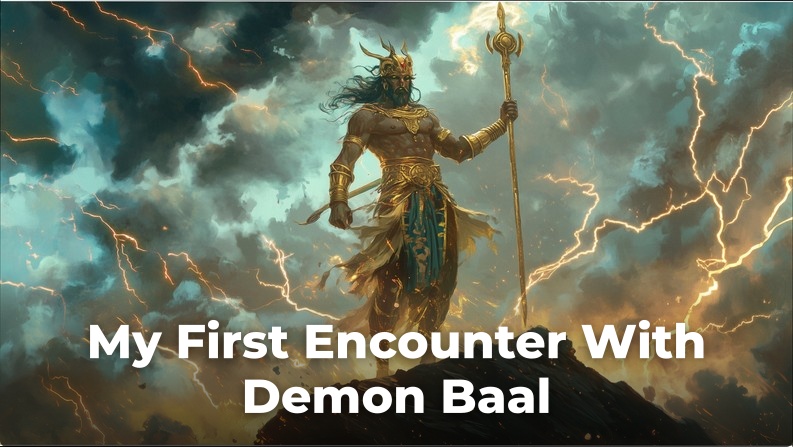
I found the name in the margin of a worn book, half hidden under someone else’s careful handwriting. The letters looked ordinary, but the moment I read them out loud in my head, the room felt subtly colder, as if my attention had turned into a kind of invitation. That was the first time I noticed how demon Baal shows up in old traditions, not as a single story, but as a figure that people keep returning to when they want to talk about power they do not fully understand.
At the time, I was expecting something dark and theatrical, the way modern stories package “demons” for quick thrills. What I actually stumbled into was stranger and more intimate: descriptions that frame Baal like a ruler in a hierarchy, a king with a voice that doesn’t quite belong to the living, and claims that invocation could make someone disappear from sight. I kept asking myself why these details mattered so much to the people who wrote them down, long before I ever read a page.
Now, when I revisit the idea of demon Baal, I do it with caution and curiosity. This article is about what that first encounter stirred up in me, and what I learned along the way about how belief systems, religious polemics, and later demonology can reshape a name until it becomes something completely new. It is not a story meant to scare you. It is one meant to explain why the past still feels close when a name like this appears in ink.
The Name That Would Not Stay One Thing
I first heard demon baal the way you hear a distant storm through a closed window. Not as a single fact, but as a vibration. The word was short, heavy, and strangely familiar, like it had been living in the language long before anyone told me what it meant.
In my head, Baal used to be a blur of thunder and pagan festivals, something I could file under ancient and far away. Then I started reading, and the blur broke apart. In the earliest stories I found, the name acted like a title, a way of saying master or owner, passed between places and voices. Later, the same syllables hardened into an argument. The polemics did not simply report worship. They tried to contain it.
It struck me how often people turn names into weapons. A label can travel farther than the truth. And once it lands, it keeps walking through the centuries, changing costume as easily as a shadow changes shape when the light shifts.
Ink Smells Like Old Smoke
I sat at a desk that always seemed too small for the questions in my chest, and I traced spellings the way some people trace scars. Baal, Ba’al, Bael. Each variant felt like a doorway with a different draft pushing through. I tried to tell myself it was only scholarship, only reference work, but my body kept reacting. My throat tightened when the text moved from gods to demons, from temple stories to courtroom metaphors.
I kept turning pages until the margin notes felt louder, and old records suggest that the figure shifted shape over centuries, not because the world suddenly changed, but because writers needed different answers for different fears.
Somewhere in that shift, the violence of belief became clearer. The word stopped pointing outward at someone else’s altar, and started pointing inward at a warning. It was not just what they said Baal was. It was what they needed people to be afraid of.
Ranks, Powers, And a Map of Fear
When the stories turn into hierarchies, they do it with a kind of obsessive detail. I watched the descriptions grow sharper, almost administrative, as if someone were compiling a roster for the dark. A duke in the east. A number of legions. A hoarse voice. Even the idea of invisibility felt like a bureaucrat’s promise, something you could request and receive.
At some point I stopped trying to believe it in the literal sense and started reading it as a pattern. The claims were measurable, arranged, and repeated, the way a family recipe gets rewritten but still tastes like home.
| Feature | Stated Measure | Reported In |
|---|---|---|
| Legions commanded | 66 | Grimoire traditions |
| Infernal ranking count | 7 princes | Christian demonology |
| Voice description | Hoarse | Solomonic accounts |
| Effect on invokers | Invisibility | Invocation lore |
| Territory of rule | East | Ranked hierarchies |
Still, I could not shake the human undertone. Behind the numbers was a basic need to make chaos legible. If evil could be listed, maybe it could be negotiated with. If it had a rank, maybe it could be resisted. And if it had a voice, maybe it could be silenced.
What I Took With Me
In the end, the most unsettling part was realizing how easily demon baal became a vessel for other people’s concerns. A storm god in older memory. A rival deity to be dismissed. A demon to be feared. Each retelling carried the anxieties of its own time, and it offered readers a way to place their dread somewhere outside themselves.
Third-person stories often make the figure sound distant, like a character in a ledger. But first-person reading changed that distance. I started to notice my own reflexes, the way I wanted clarity so badly that I could almost hear the comfort of a single, fixed meaning.
Now, when I encounter the name again, I think about how culture learns to frame difference. Not with evidence alone, but with narrative pressure. And I understand, with quieter certainty, that the real shift is never only in the text. It is in the reader, adjusting their sense of what is safe, what is sacred, and what might slip in through a familiar word.
Is Demon Baal a Real Demon in Christian Demonology?
Who Is Baal in Ancient Texts, and How Did Demon Baal Develop?
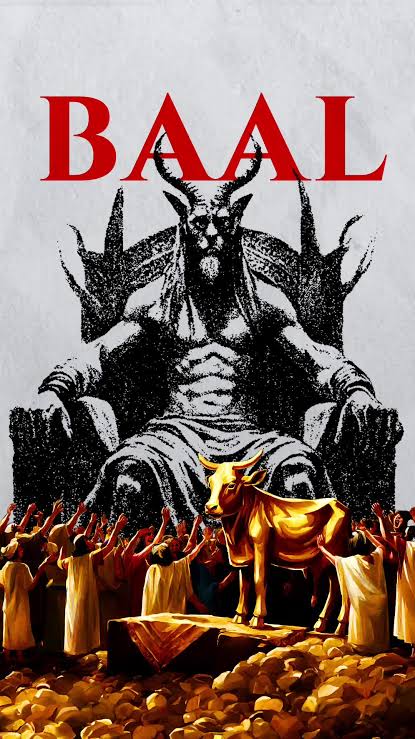
Baal was a title and name used across Semitic cultures for pagan local deities in the Hebrew Bible, and later Western Christian demonology reinterpreted Baal as a demonic figure, treating him as part of a false-gods polemic that evolved into grimoires and demon-hierarchy lore.
What Powers and Depictions Are Attributed to Demon Baal in Grimoire Traditions?
In some later grimoire traditions, Demon Baal is depicted as a king or “master” figure with commanding rank in Hell, and stories describe abilities such as making invokers invisible, along with additional colorful variations (for example, distinctive voices or unusual effects) that differ by text and translation.
A Name That Kept Changing
When I first heard demon baal in older stories, it sounded like a single, fixed villain, but the more I listened the more I saw how the label shifted across time, language, and belief. What stayed constant was not the legend itself, but the human need to name darkness and make it feel manageable. In the end, I realized that fear often borrows ancient names, yet the true work is learning to see what is inside us, not in the label, because we all carry our own demons in translation.