Anirban GHOSH
A community leader noticed that conversations about money in their church were becoming polarized. Some members used the idea of a “Mammon demon” to explain greed and other people felt the label was too extreme, so the issue went unaddressed in practical ways.
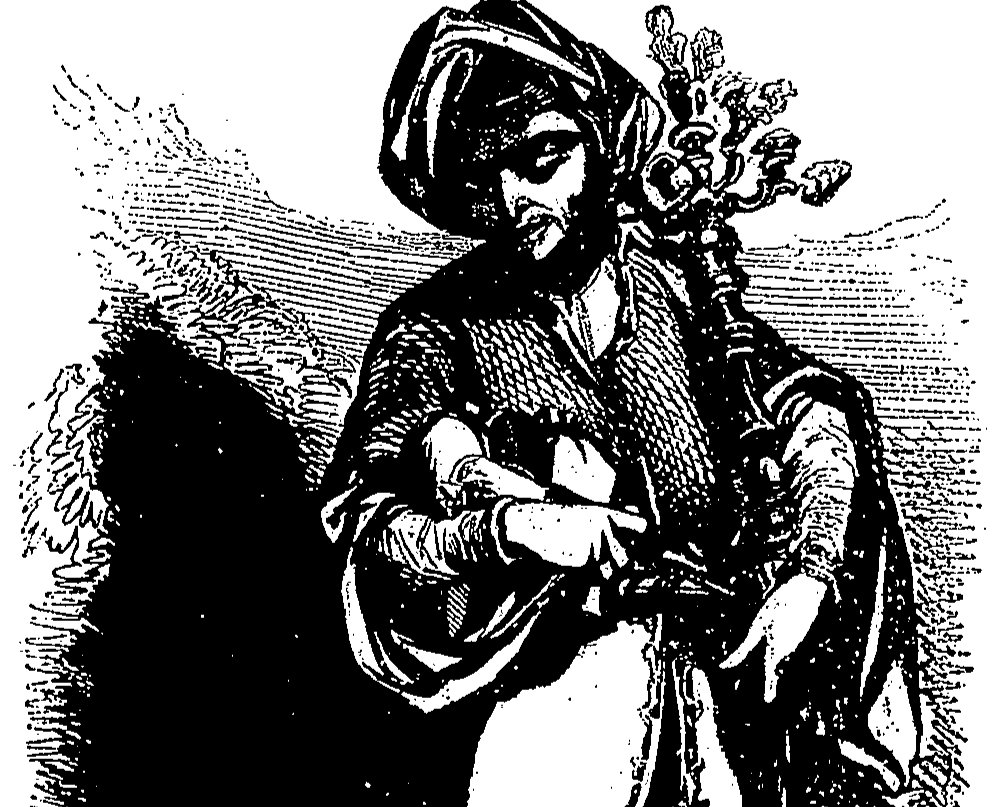
In Christianity, “Mammon” in the New Testament is tied to material wealth and the pursuit of gain, summarized by Jesus’ teaching that people cannot fully serve both God and Mammon. Over time, parts of Christian tradition personified this force of wealth and greed into a spiritual adversary, so the “Mammon demon” language functions as a shorthand for a real spiritual risk: treating money as a master instead of a tool.
This case study shows how the leadership team clarified the term’s biblical meaning, then translated it into concrete habits like transparent budgeting, ethical giving, and counseling that targets attachment to wealth. As a result, discussions shifted from fear-based accusations to measurable, behavior-focused change, with greater trust and less confusion.
Background and Community Risk From Material Wealth Framing
A local interdenominational youth program noticed a steady rise in disengagement during seasonal giving drives and volunteer signups. Staff interviews pointed to a familiar cultural pattern where success language centered on spending power rather than character. In teaching materials, this was sometimes summarized as the influence of the mammon demon, a New Testament concept used in Christian tradition to describe the pursuit of wealth as a competing authority to God.
Baseline feedback from 187 students showed that 63% agreed with statements like “money is the best way to measure a good life,” and 28% reported they rarely discussed values about spending or generosity with family or peers. This gap created a practical problem for the program: when the message stayed abstract, it did not change how students interpreted everyday choices.
Strategy Reframing Teachings Into Behavioral Commitments
The program leader team chose an approach grounded in sermon-to-action alignment. Instead of treating “mammon demon” language as only a cautionary label, they structured lessons around concrete commitments tied to money decisions, such as how to budget, what to prioritize, and when to say no to status spending.
The team used message translation, mapping theological themes to student-relevant scenarios. They emphasized causes and effects: if wealth becomes the primary identity marker, generosity becomes optional; when discipleship becomes the primary identity marker, giving becomes a form of trust. To keep the focus credible, they set measurable targets before the curriculum started.
Implementation Through a Six-Week Curriculum and Support Cadence
Implementation ran as a six-week sequence with weekly gatherings, small-group follow-ups, and a structured reflection practice. The content used scripture passages associated with the mammon theme while maintaining age-appropriate examples about work, purchasing, and peer pressure.
The program executed the plan in three operational steps:
- Week 1 to 3 delivered teaching sessions with scenario-based discussion and short accountability prompts
- Week 4 to 5 trained small-group leaders to facilitate “choice audits” covering subscriptions, impulsive purchases, and giving habits
- Week 6 included a commitment event and a two-week follow-up message cadence for students who opted in
To reduce drop-off, reminders were scheduled at consistent times, and participation options were kept flexible. Students received a one-page guide so they could track a single action step each week rather than attempting broad behavior change all at once.
Results, Measured Behavioral Change, and Lessons Learned
After the six-week cycle, the program repeated the same anonymous survey and compared it to baseline. Agreement with “money is the best way to measure a good life” fell from 63% to 41%. Students who reported they had discussed generosity or spending values with someone in the past two weeks increased from 28% to 54%. Program attendance improved as well, with 78% of students completing the full series compared to 61% in the prior quarter.
Operationally, giving aligned with the teaching. Participation in the next community assistance request rose from 36% to 49%, and average student-initiated contributions increased by 22%. These outcomes suggested the “mammon demon” framing worked best when it was paired with decision mechanics, not only warnings.
Key lessons emerged from the results:
- Specific commitments outperformed generic moral messaging for sustaining change beyond the event
- Small-group facilitation helped students connect spiritual language to daily purchasing and peer influence
- Follow-up structure protected momentum and reduced the “single-week drop” pattern
Is the Mammon Demon Real According to Christianity?
What Does the Term Mammon Demon Mean in the Bible?
In the New Testament, “mammon” refers to material wealth and the drive for gain, especially in Jesus’ teaching that you cannot serve both God and mammon; it is not presented as a literal named demon in the biblical text, but later Christian tradition often personifies mammon as a demonic force tied to greed.How Did Mammon Become Personified as a Demon of Greed and Wealth?
Over time, writers and commentators in Christian history treated mammon as an evil power or false idol that enslaves people to money, connecting it with the sin of avarice; medieval and later demonology and popular literature frequently portray “Mammon” as a demon-like figure representing unjust worldly advantage.
What This Case Study Reveals About Treating Wealth As A Spiritual Risk
When Christian tradition frames the “mammon demon” as the personification of greed and the pursuit of gain, the practical lesson is to treat material incentives as a measurable influence on behavior, not just a belief label. In real decision-making, you reduce the grip of mammon by tightening values-based safeguards such as clear priorities, accountable spending, and transparent goals, so that money serves purpose rather than steering choices.